


TMNT movie was an Underdog Story: How Eastman & Laird Turned $1,200 Into a Blockbuster
- Tj Baxter
- Dec 6, 2025
- 3 min read

Updated: Dec 17, 2025

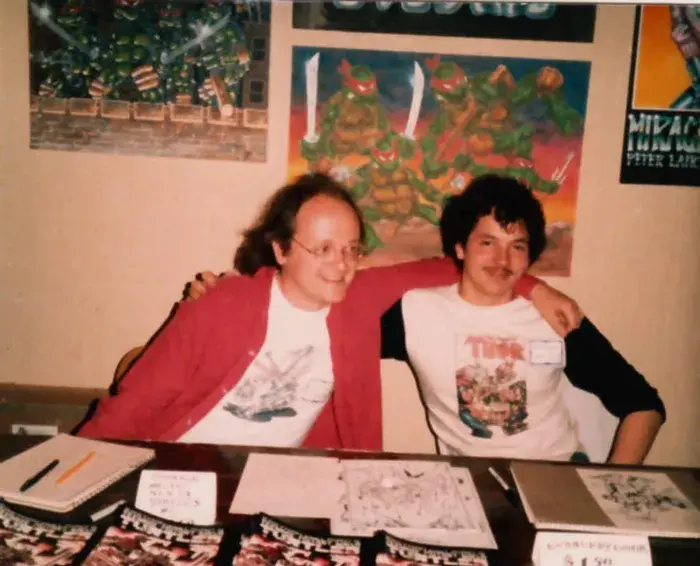
If you want the honest version of how TMNT began, it’s this: Eastman and Laird didn’t create the first comic because it was “safe.” They created it because they needed it to exist.
They had roughly $1,200 and a rough little workspace—not a glossy studio. And they weren’t chasing trends. They were trying to put something on paper that nobody else could see yet. If they tried to pitch the concept out loud, it would have sounded ridiculous. So they did the only thing creators can do when they’re ahead of the room:
They made proof.
That first black-and-white issue wasn’t just a comic. It was a statement: we’re not waiting to be chosen.
Kevin Eastman and Peter Laird Didn’t Wait for Permission (They Built Mirage Studios Energy)
A lot of people look at TMNT now and assume it was always destined for success. It wasn’t.
The early Mirage Studios vibe was pure DIY: create first, figure it out later, and let the work speak. Eastman and Laird scraped together resources however they could—stretching money, solving problems like a two-person production company, and pushing their idea forward even when it didn’t fit any “normal” category.

That’s what makes the TMNT underdog story so powerful: it wasn’t powered by certainty. It was powered by commitment.
The Comic Sold Out — and Everything Changed
Here’s where the legend starts to feel unreal: the first TMNT comic sold out.
That moment is what separates “cool idea” from “movement.” Because when something sells out, it’s not just validation—it’s demand. Demand is the only language the industry never ignores.
The Turtles proved that a weird, specific, creator-driven idea could punch through the noise without corporate polish. Fans didn’t just “like it.” They wanted more of it. And once that happens, the world starts chasing what it previously doubted.
The TMNT 1990 Movie Worked Because It Felt Real

(Thanks, Practical Effects)
When it came time to bring TMNT to the big screen, the natural assumption would be: “Hollywood instantly got it.”
Not exactly. Big studios can be cautious, especially when something is strange, new, and hard to predict. But the same underdog mindset that created the comic pushed the movie forward: keep control of the vision, partner smart, and don’t water it down.
And then the secret weapon enters the chat:
Jim Henson’s Creature Shop.
This matters because the TMNT 1990 movie didn’t win people over with shiny CGI. It won with presence. The suits and puppetry gave the turtles weight, emotion, personality—real physical performances. You can feel the difference because it’s literally in the frame: light hitting real textures, body language you can believe, characters that occupy space like living beings.
That practical-effects realism is a huge reason the 1990 film still holds up. It’s not nostalgia—it’s craftsmanship.
From Indie Comic to Blockbuster: Why This Origin Story Still Matters
Here’s the deeper reason people keep coming back to the Teenage Mutant Ninja Turtles origin:
It’s a blueprint for creators.
The TMNT underdog story shows what happens when you stop trying to sound believable and start trying to be real. Eastman and Laird didn’t succeed because they had unlimited money. They succeeded because they had:
Conviction (they believed before anyone else did)
Craft (they made the idea tangible)
Momentum (they built on early wins)
Taste (they protected the tone that made it special)
And that’s the real lesson: the world rarely funds the thing you haven’t made yet. But it will rally behind the thing you did make—if it hits.
What TMNT Teaches Creators (Steal This Playbook)
If you’re building something and you feel behind, this story flips the script. The early TMNT era teaches:
Make the smallest real version first.Not a perfect version. A real one.
Let the work communicate what words can’t.Some ideas sound “crazy” until they’re visible.
Don’t dilute the spark to please gatekeepers.That spark is the whole point.
Partner with people who level you up.(Creature Shop-level craft is how you make the impossible believable.)
Underdogs win by shipping.Momentum beats permission.

Final Thoughts: TMNT Is Proof You Don’t Need Permission
The Teenage Mutant Ninja Turtles didn’t start as a corporate plan. They started as a daring creative act. Two underdogs, a tiny budget, and a world-changing idea that refused to stay invisible.
That’s why the TMNT origin hits so hard: it reminds you that the “crazy” idea in your head might not be crazy.
It might be early.
If you want more stories like this—retro movies, games, and the hidden creator lessons inside pop culture—keep it geeky.

Comments